The Ultimate Guide To Watermelon Fertilizer
The Ultimate Guide to Watermelon Fertilizer
Watermelons are a delicious and refreshing summer fruit that can be enjoyed by people of all ages. But did you know that watermelons need fertilizer to grow big and juicy?
In this blog post, we will discuss everything you need to know about watermelon fertilizer, including:
- What nutrients do watermelons need?
- When and how to fertilize watermelons
- What type of fertilizer to use
- How much fertilizer to use
We will also provide some tips for preventing fertilizer burn and other problems.
What nutrients do watermelons need?
Watermelons need a variety of nutrients to grow and produce fruit. The most important nutrients for watermelons are nitrogen, phosphorus, and potassium.
- Nitrogen is essential for plant growth. It helps to produce green leaves and stems.
- Phosphorus is important for root development and flowering.
- Potassium helps to improve fruit quality and storage.
Watermelons also need other nutrients in smaller amounts, such as calcium, magnesium, and sulfur.
When and how to fertilize watermelons
The best time to fertilize watermelons is when they are young and actively growing. You can fertilize them once a month, or more often if the soil is poor.
To fertilize watermelons, simply sprinkle the fertilizer around the base of the plant and water it in well. Be sure to follow the directions on the fertilizer label to avoid overfertilizing.
What type of fertilizer to use
There are many different types of fertilizer available, so it is important to choose one that is right for watermelons. A balanced fertilizer, such as 10-10-10, is a good choice for watermelons. You can also use a fertilizer specifically formulated for melons.
How much fertilizer to use
The amount of fertilizer you need to use will depend on the size of your watermelon plants and the type of fertilizer you are using. Be sure to follow the directions on the fertilizer label to avoid overfertilizing.
Preventing fertilizer burn
Overfertilizing can damage watermelon plants and cause fertilizer burn. Fertilizer burn can cause the leaves of watermelon plants to turn yellow or brown and wilt. In severe cases, it can kill the plant.
To prevent fertilizer burn, it is important to follow the directions on the fertilizer label and to avoid fertilizing watermelon plants too often. You should also water the fertilizer in well after applying it.
Tips for growing watermelons
In addition to fertilizing watermelons, there are a few other things you can do to help them grow big and juicy.
- Plant watermelons in full sun.
- Water watermelons regularly, especially during hot, dry weather.
- Mulch around watermelon plants to help retain moisture and suppress weeds.
- Protect watermelon plants from pests and diseases.
With a little care and attention, you can grow delicious, homegrown watermelons that will be the envy of your neighbors.
Watermelons are a delicious and refreshing summer fruit, but they can be tricky to grow. One of the most important factors in growing healthy watermelons is to use the right fertilizer. The best fertilizer for watermelons will vary depending on the soil conditions in your area, but a good general rule of thumb is to use a fertilizer that is high in phosphorous. Phosphorus helps to promote root growth and flowering, which are essential for producing large, healthy watermelons.
If you are looking for more information about watermelon fertilizer, I recommend visiting Garden Wiki. This website has a wealth of information on the topic, including articles on the different types of fertilizer available, how to apply fertilizer to watermelon plants, and how to diagnose and correct fertilizer deficiencies.
FAQ of watermelon fertilizer
- What are the best nutrients for watermelons?
Watermelons need ample potassium and phosphorus for optimal melon production. Potassium helps to regulate water flow and nutrient uptake, while phosphorus is essential for flowering and fruit development. Nitrogen is also important for plant growth, but it is important to use a balanced fertilizer that does not provide too much nitrogen, as this can lead to leafy growth at the expense of fruit production.
- What is the best time to fertilize watermelons?
Watermelons should be fertilized every 2-4 weeks throughout the growing season. The first fertilizer application should be made when the plants are about 2 weeks old. After that, you can fertilize them every 2-4 weeks, depending on the growth rate of your plants and the nutrient content of your soil.
- How much fertilizer should I use?
The amount of fertilizer you need to use will depend on the size of your plants, the type of fertilizer you are using, and the nutrient content of your soil. A good rule of thumb is to follow the directions on the fertilizer label.
- What are the best natural fertilizers for watermelons?
There are a number of natural fertilizers that are good for watermelons. Some popular options include:
- Blood meal: A nitrogen-rich fertilizer that is made from dried blood.
- Cottonseed meal: A nitrogen-rich fertilizer that is made from cottonseed hulls.
- Fish emulsion: A high-nitrogen fertilizer that is made from fish.
- Seaweed extract: A fertilizer that contains a variety of nutrients, including nitrogen, phosphorus, potassium, and trace minerals.
- How can I avoid fertilizer burn?
Fertilizer burn is a condition that can occur when plants are fertilized with too much fertilizer. The symptoms of fertilizer burn include wilting leaves, brown spots on the leaves, and stunted growth. To avoid fertilizer burn, it is important to follow the directions on the fertilizer label and to apply the fertilizer evenly. You should also avoid fertilizing your plants in hot, dry weather.
Image of watermelon fertilizer
Here are 5 different images of "watermelon fertilizer" from Pinterest:
- A bag of organic watermelon fertilizer.

- A bottle of liquid watermelon fertilizer.
- A picture of a watermelon plant with a handful of fertilizer pellets scattered around the base.
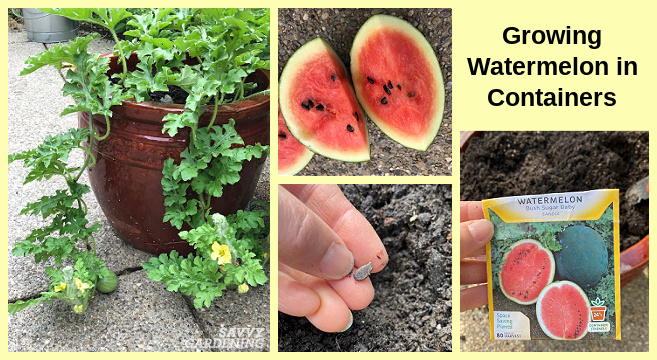
- A close-up of a watermelon blossom with a drop of fertilizer solution on it.
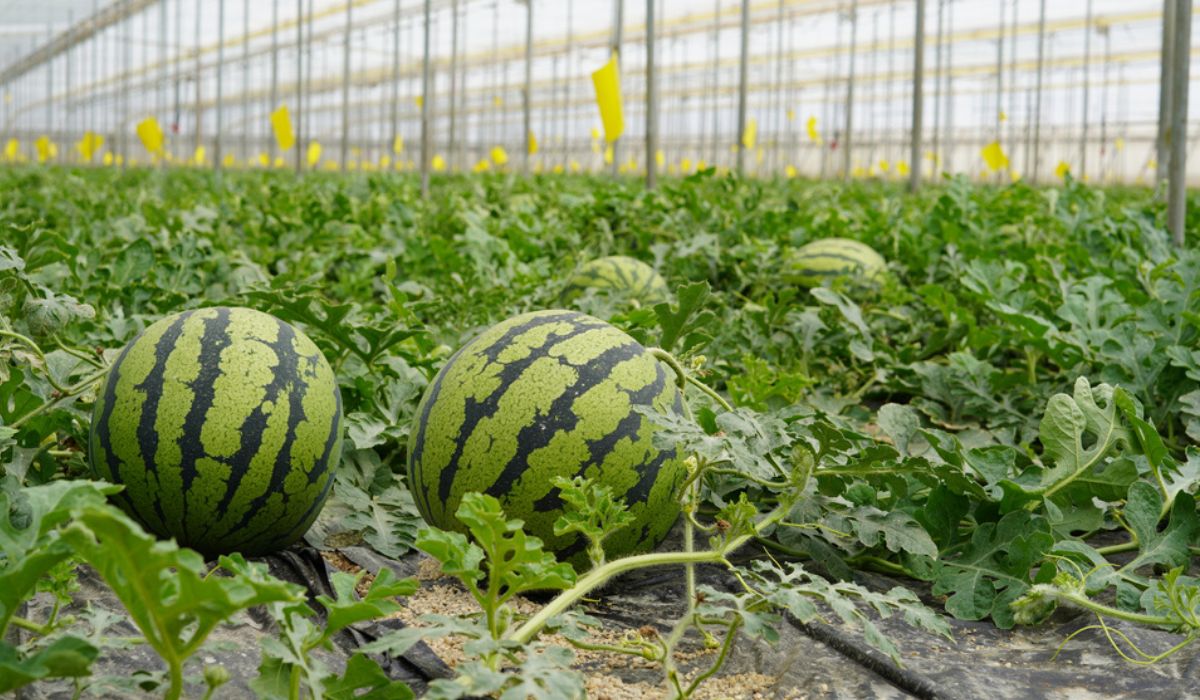
- A group of watermelon plants growing in a field, with a person in the background spreading fertilizer on the ground.


Post a Comment for "The Ultimate Guide To Watermelon Fertilizer"